Personal Protective Equipment
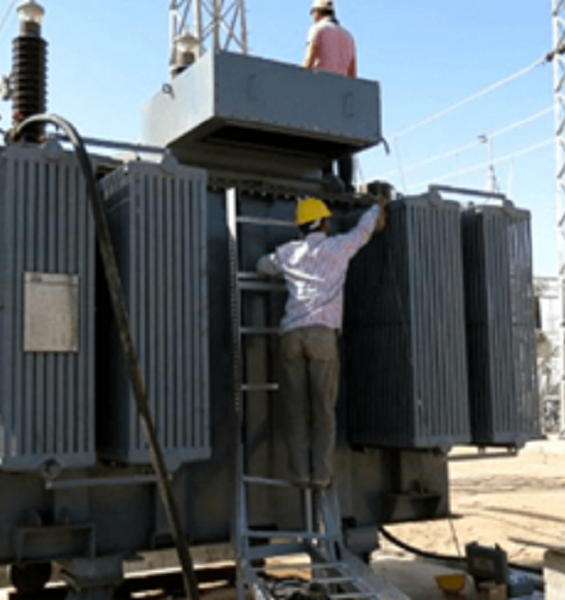
PPE has become an important part of safety in the workplace. This is because it helps reduce the risk of injuries and other hazards. PPE can be found in different types of industries, including manufacturing, construction and healthcare among others.
It is important to note that PPE can only be worn if it fits and protects the user adequately. In addition to this, you should also make sure that your PPE supplier sells high-quality products at affordable prices so that you can get value for money.
It is important to note that PPE can only be worn if it fits and protects the user adequately. In addition to this, you should also make sure that your PPE supplier sells high-quality products at affordable prices so that you can get value for money.
Personal protective equipment (PPE) for wind turbine technicians is designed to mitigate the industry's most significant hazards: heights, electricity, and falling objects.
NAHM is striving to be a Pioneer Professional provider of PPEs consistently meeting regulatory requirements, that are fully certified, and provide superior design, comfort, and value.
Fall Protection System
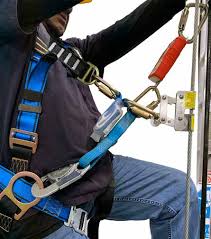
Because technicians regularly ascend to heights of several hundred feet, fall protection is the most critical safety category. These systems are "active," meaning they are dynamic and adapt to worker movement to prevent or arrest a fall.
- Full-Body Harnesses: These distribute the force of a fall across the body and include multiple attachment points (D-rings) for climbing and positioning.
- Lanyards and SRLs: Energy-absorbing lanyards and self-retracting lifelines (SRLs) automatically lock during a fall, minimizing drop distance.
- Vertical Rail Systems: These integrated systems provide hands-free safety as technicians climb the tower ladders.
Electrical Safety Gear
The turbine nacelle houses high-voltage generators and transformers, making protection against electrocution and arc flash essential.
- Arc Flash-Rated Clothing: Flame-resistant (FR) coveralls and suits are designed to protect against the intense heat and energy of an electrical arc blast.
- Voltage-Rated Gloves: Specialized rubber insulating gloves, often worn with leather protectors, are required when handling live electrical components.
- Insulated Tools: Technicians use tools specifically designed to prevent accidental electrical contact during maintenance.
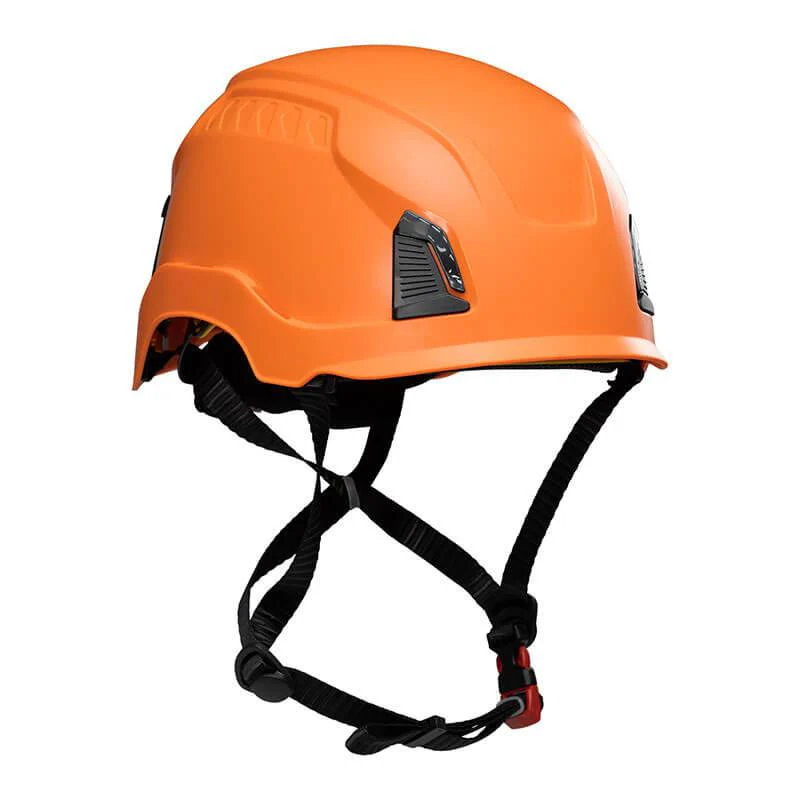
Safety Gear
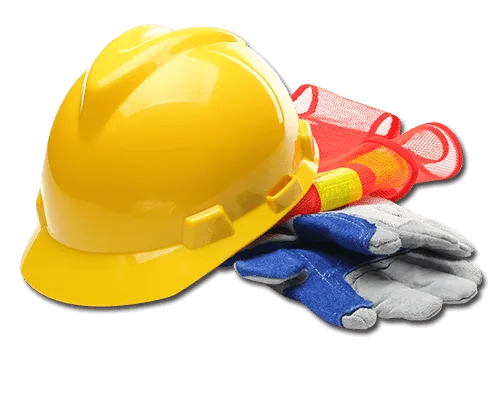
Standard industrial gear is often insufficient for wind energy. Technicians require equipment that remains secure in high winds and provides stability on diverse surfaces.
- Climbing Helmets with Chin Straps: Unlike standard hard hats, these are lightweight and feature secure chin straps to ensure they don't fall off during a climb or in high-wind conditions.
- Safety Boots: Reinforced boots must provide high-traction, slip-resistant soles for stability on oily nacelle floors and secure footing on vertical ladder rungs.
- Eye and Hearing Protection: Safety glasses protect against flying debris, while earmuffs or plugs are vital due to the high noise levels generated by the turbine's mechanical components.